
-

Neo Luz
FOUNDER
My Story
Nature found me before I knew how to stay with myself.
As a child, the outdoors was where I felt most alive—curious, imaginative, free. I spent hours exploring, creating worlds, and listening to my body long before I had words for intuition. The land was my refuge, my teacher, my place of belonging.
Then life fractured.
After a period of profound family trauma, I lost my sense of safety and identity. I learned how to survive by disconnecting—from my body, my needs, and my inner voice. Self-hatred, self-doubt, and self-abandonment became patterns I didn’t recognize at first. I lived with PTSD and cycled through addiction, all while appearing “functional” on the outside.
For a long time, I didn’t hate myself loudly.
I abandoned myself quietly.
The turning point came when I reached for help and allowed myself to be supported. I entered recovery, counseling, and community. Healing didn’t arrive quickly or cleanly—it asked for honesty, humility, and a willingness to look at the beliefs that once kept me alive but were now costing me my life.
I spent years immersed in therapy and earned my degree in social work, learning how trauma lives in the body and how real change happens. Still, something was missing. I had insight—but I didn’t yet trust myself. I knew about healing, but I wasn’t fully embodied in it.
So I followed a deeper call.
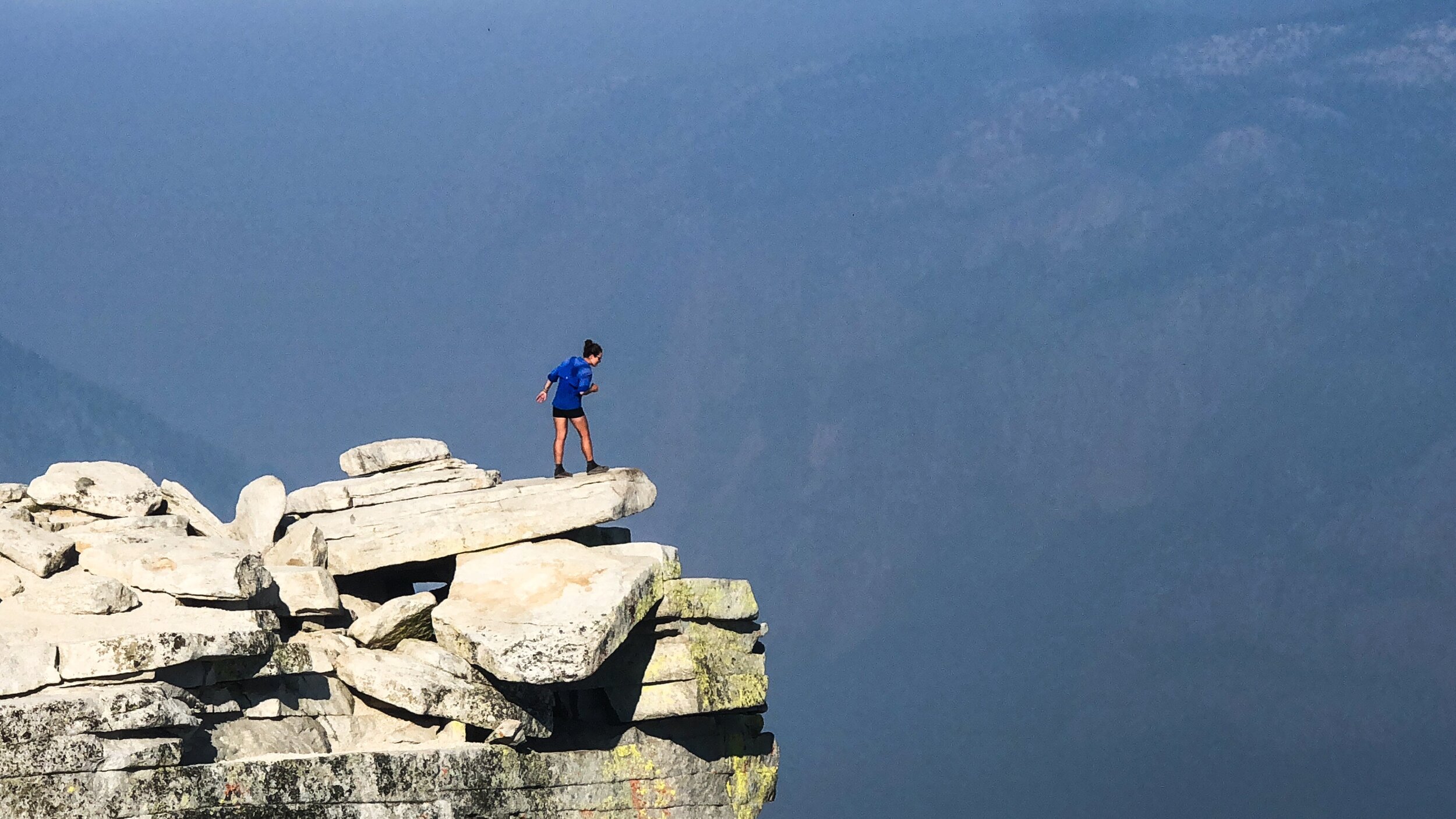
In 2017, I stepped onto the Pacific Crest Trail alone. In 2018, I completed the full 2,650-mile journey.
The trail stripped everything away.
Out there, I learned how to listen—to my body, to fear, to intuition, to a kinder inner voice that knew how to keep going without force. Every step asked me to choose presence over panic, self-trust over self-attack. Nature gave me something I had never experienced so consistently before: spaciousness. Belonging. A felt sense of worth.
The trail didn’t fix me.
It returned me to myself.
As my healing deepened, another question emerged—one that would fundamentally reshape my path:
Who gets to define my recovery?
After years on antidepressants, I made an intentional and supported decision to transition off them. During that time, I explored alternative therapeutic approaches, including working with plant medicines as part of a broader healing journey rooted in self-inquiry, responsibility, and discernment.
This choice challenged the recovery framework I had known.
I found myself living two lives again—one in traditional recovery spaces, and one in the spiritual and alternative healing community. I felt the pressure of other people’s fears and judgments around what healing “should” look like. So I became quiet. Careful. Fragmented.
My soul asked me to integrate.
To stop splitting myself to belong.
As my relationship with plant medicines deepened, I entered an intense period of shadow work. What opened was not light or transcendence—but truth. Shame, grief, self-hatred, and suicidal ideation surfaced and demanded to be witnessed. Ceremony became a place where I could stay present with what was real, rather than bypass it.
And still—beneath everything—a quiet voice remained.
She knew more than my trauma.
She knew the light existed beneath the darkness.
She knew the only way forward was through.
With the support of mentors, prayer, song, somatic therapies, parts-based work, boundary repair, and outside help, I learned how to stay with myself without abandoning myself. Over time, my sensitivity increased. The medicine became less necessary. Wisdom replaced urgency.
I listened.
I took a full year away from ceremony to integrate everything I had lived, learned, and uncovered.
Integration became the medicine.
In July of 2025, I followed a lifelong calling and moved out of the city to live on a farm. That decision created the most profound nervous system shift I have ever experienced. Living close to the land allowed my body to regulate, my intuition to lead, and my healing to settle into daily life—not through intensity, but through rhythm.
Today, I no longer chase healing.
I practice it through presence.
My shadows are still here—but I meet them with tools, compassion, boundaries, and self-forgiveness. I know how to listen to my body. I know when to rest. I know when to ask for help. And I know how to trust myself.
Trail Based Healing was born from this lived experience.
I walk alongside women who are done abandoning themselves. Women who are ready to reclaim their inner authority, build boundaries that honor their truth, and return home to their bodies—without bypassing, without splitting, and without forcing transformation.
This work is not about becoming someone new.
It is about remembering who you were before you learned to leave yourself.
And learning—step by step—how to stay.
(My work focuses on integration, nervous system regulation, self-trust, and grounded healing practices. I do not promote or encourage the use of plant medicines.)
My Qualifications
Pacific Crest Trail thru-hiker (2,650 miles)
Bachelor of Social Work (BSW)
Associate Degree in Alcohol & Drug Counseling
Trauma-informed, Nature-Based Healing Practitioner
Meditation & Contemplative Retreat Training
Extensive Experience in Spiritual and
Plant Medicine Integration
DISCLAIMER
I bring deep experience, skill, and care to the work I do— especially in creating grounded, supportive healing spaces in nature. My background includes Counseling and ocial work, and my path has also been shaped by lived experience and personal spiritual healing beyond conventional models.
Because this work doesn’t fit neatly into traditional credentials, I want to be clear and transparent. I am not a licensed psychologist or healthcare professional, and my services do not replace medical or mental health care.
I can’t guarantee outcomes, and anything I share about healing reflects my personal experience and perspective. What I can guarantee is my presence, integrity, and commitment to supporting you with respect, discernment, and care as you walk your own path of growth and healing.